


Blog
Essential Welding Safety Equipment: Must-Have Gear to Protect Every Welder

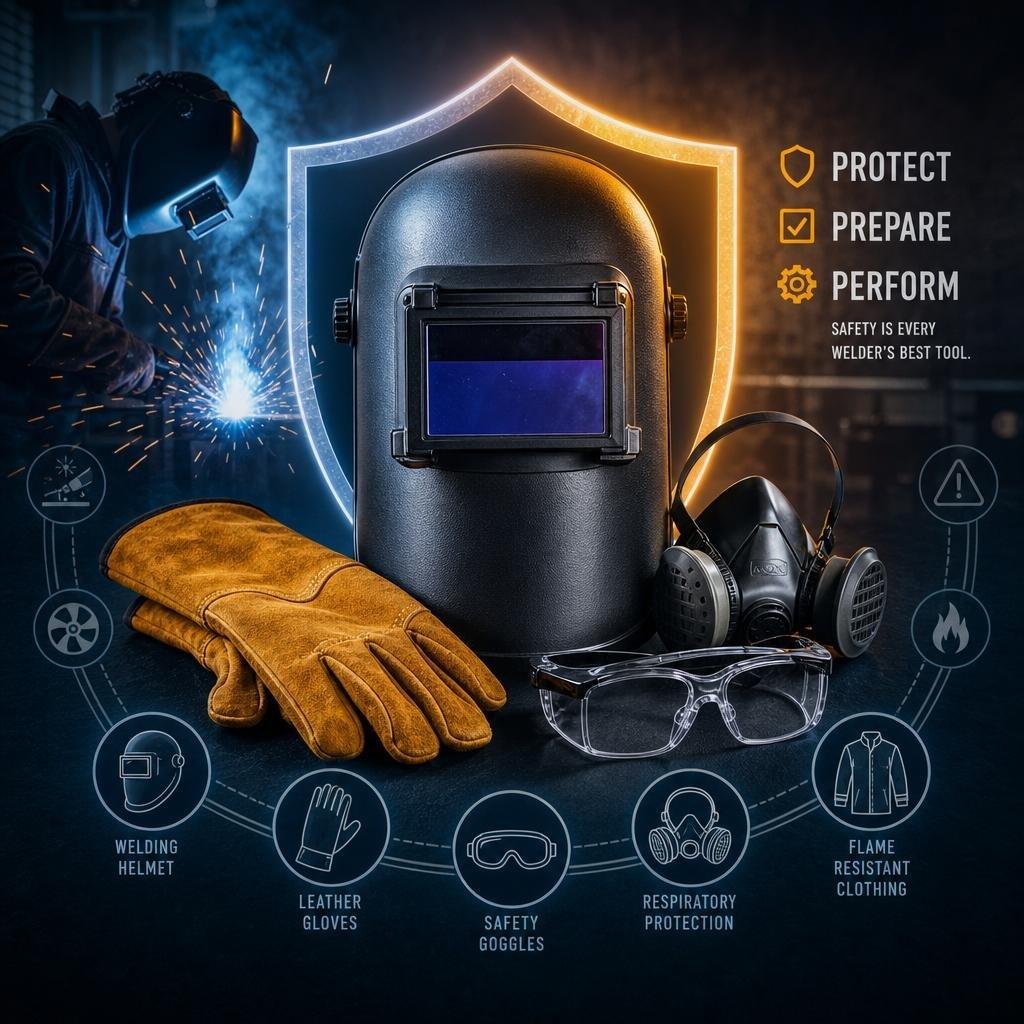
Welding Safety Equipment: Essential PPE and Tools for Safer Welding
Welding is one of the most valuable skills in metal fabrication, construction, automotive repair, shipbuilding, and maintenance work-but it also comes with serious hazards. Intense ultraviolet and infrared radiation, sparks, molten metal, fumes, electrical current, noise, heat, and fire risks can all cause injuries if the right precautions are not in place. That is why choosing the right welding safety equipment is not optional; it is a critical part of every welding job.
Whether you are a beginner setting up a home welding station or a professional welder working in an industrial environment, proper welding PPE can help prevent burns, eye injuries, respiratory illness, electric shock, hearing damage, and long-term health problems. This guide covers the most important welding safety gear, how to choose it, and practical tips for staying protected while you work.
Why Welding Safety Equipment Matters
Welding hazards can be immediate, such as a spark burning through clothing, or they can develop over time, such as lung irritation caused by repeated exposure to welding fumes. The correct personal protective equipment for welding creates a barrier between the welder and these hazards.
Quality welding safety equipment helps protect against:
- Arc eye and vision damage from ultraviolet and infrared light
- Skin burns caused by sparks, spatter, and hot metal
- Respiratory exposure to welding fumes, gases, and particulates
- Electric shock from improper contact with live components
- Hearing loss from grinding, cutting, and industrial welding noise
- Fire hazards caused by flammable materials near the welding area
In many workplaces, welding PPE must meet specific safety standards, such as ANSI Z87.1 for eye and face protection, NIOSH approval for respirators, and applicable workplace safety requirements such as OSHA regulations in the United States. Even for hobby welders, following professional safety practices is the best way to avoid preventable injuries.
Essential Welding Safety Equipment Checklist
A complete welding safety setup includes more than just a helmet and gloves. Depending on the welding process, base metal, ventilation, and work environment, you may need several layers of protection.
| Safety Equipment | Main Purpose | Best For |
|---|---|---|
| Welding Helmet | Protects eyes and face from arc rays and sparks | MIG, TIG, Stick, Flux-Core |
| Welding Gloves | Protects hands from heat, spatter, and burns | All welding processes |
| Flame-Resistant Clothing | Reduces burn and fire risk | Shop and field welding |
| Respirator or Fume Extraction | Reduces inhalation of fumes and particles | Stainless steel, galvanized metal, confined spaces |
| Safety Boots | Protects feet from hot metal and falling objects | Industrial and workshop use |
| Hearing Protection | Reduces noise exposure | Grinding, cutting, heavy fabrication |
1. Welding Helmets: Your First Line of Defense
A welding helmet is one of the most important pieces of welding safety equipment. It protects your eyes, face, and neck from bright arc radiation, sparks, spatter, and heat. Without proper eye protection, even short exposure to a welding arc can cause arc eye, also known as welder’s flash, which is a painful inflammation of the cornea.
Auto-Darkening vs. Passive Welding Helmets
Welding helmets generally fall into two main categories: passive helmets and auto-darkening helmets.
- Passive welding helmets use a fixed-shade lens, usually shade 10 or higher. They are durable, simple, and affordable, but you must flip the helmet up and down between welds.
- Auto-darkening welding helmets automatically switch from a lighter shade to a darker shade when the arc starts. They improve visibility, reduce neck strain, and are especially useful for precision welding.
When choosing a helmet, look for features such as adjustable shade range, sensitivity controls, delay settings, comfortable headgear, and compliance with recognized eye protection standards. For most welders, an auto-darkening welding helmet with a variable shade range is a smart investment.
Recommended Lens Shade by Welding Process
| Welding Process | Typical Shade Range | Common Use |
|---|---|---|
| MIG Welding | Shade 10-13 | Fabrication, automotive, repair |
| TIG Welding | Shade 8-13 | Precision work, stainless, aluminum |
| Stick Welding | Shade 10-14 | Structural, outdoor, heavy repair |
| Plasma Cutting | Shade 5-9 | Metal cutting and shaping |
Always follow the equipment manufacturer’s guidance and applicable safety standards when selecting the proper shade. The correct lens shade depends on amperage, process, material, and working conditions.
2. Welding Gloves: Hand Protection for Heat and Dexterity
Your hands are constantly close to the weld zone, so welding gloves are essential. They protect against sparks, spatter, sharp metal edges, heat, and accidental contact with hot workpieces. However, not all welding gloves are the same. The best gloves depend on the type of welding you perform.
Types of Welding Gloves
- MIG welding gloves: Usually thicker and more heat-resistant, offering strong protection against spatter.
- TIG welding gloves: Thinner and more flexible, allowing better finger control for feeding filler rod.
- Stick welding gloves: Heavy-duty gloves designed for high heat, slag, and spatter.
Common materials include cowhide, goatskin, pigskin, and elkskin. Cowhide is rugged and heat-resistant, while goatskin provides excellent dexterity. For overhead welding or high-spatter applications, choose gloves with extended cuffs to protect your wrists and forearms.
3. Flame-Resistant Welding Clothing
Proper welding protective clothing prevents sparks from igniting fabric and reduces the risk of skin burns. Regular cotton clothing may be safer than synthetic fabrics, but it is not always enough for heavy welding. Synthetic materials such as polyester or nylon can melt onto the skin when exposed to heat, which can make injuries much worse.
Recommended welding clothing includes:
- Flame-resistant welding jacket made from leather, treated cotton, or FR fabric
- Long pants without cuffs, which can catch sparks
- Long-sleeve shirts to reduce UV exposure and burns
- Leather welding apron for additional torso and leg protection
- Welding sleeves for arm protection during light-duty jobs
- Welding cap or beanie to protect hair and scalp from sparks
Avoid open pockets, frayed clothing, and rolled sleeves. Sparks can easily lodge in folds and seams, causing smoldering burns. Button collars and cuffs when possible, and keep clothing dry to reduce electrical hazards.
4. Respiratory Protection and Welding Fume Control
Welding fumes are a major safety concern, especially when working with stainless steel, galvanized steel, painted metal, coated materials, or in confined spaces. Fumes can contain metal oxides and gases that may irritate the lungs or contribute to long-term health issues.
The best protection is a combination of ventilation, fume extraction, and respiratory protection. In a well-designed welding area, fumes should be removed at the source before they reach the welder’s breathing zone.
Common Welding Respiratory Safety Options
- Local exhaust ventilation: Captures fumes near the weld before they spread.
- Portable fume extractors: Useful for small shops, repair work, and flexible welding stations.
- Disposable particulate respirators: May help with certain dusts and particles when properly selected and fitted.
- Half-mask respirators: Provide a tighter seal and can use filters appropriate for welding fumes.
- PAPR welding helmets: Powered air-purifying respirators integrated with welding helmets for higher comfort and protection in demanding environments.
Respirators should be selected based on the actual exposure hazard. Look for NIOSH-approved respirators and use the correct filters or cartridges. Facial hair, poor fit, and incorrect filter selection can reduce protection significantly. If you weld professionally, a respiratory protection program and fit testing may be required.
5. Safety Glasses and Face Shields
A welding helmet protects you during arc welding, but you still need safety glasses underneath. Grinding, chipping slag, wire brushing, and cutting can send small particles flying into the eyes. Safety glasses should meet impact protection standards such as ANSI Z87.1.
For grinding and cutting, a face shield can provide additional protection. However, a face shield is not a replacement for safety glasses. Wear both together for better eye and face protection.
6. Welding Boots and Foot Protection
Hot sparks, slag, and dropped metal can easily injure your feet. Good welding boots should be made from durable leather and have heat-resistant soles. Steel-toe or composite-toe boots are recommended in environments where heavy objects may fall or roll.
Choose boots with:
- High-top leather construction for ankle protection
- Metatarsal guards for heavy fabrication work
- Slip-resistant and heat-resistant soles
- Minimal exposed stitching or laces
- Electrical hazard rating when appropriate for the job
Avoid low-cut shoes, mesh sneakers, and synthetic footwear. Sparks can burn through lightweight materials quickly.
7. Hearing Protection for Welding and Fabrication
Welding itself may not always be extremely loud, but related tasks like grinding, air carbon arc gouging, hammering, cutting, and working around machinery can expose workers to damaging noise levels. Hearing protection is often overlooked, but repeated exposure to loud noise can cause permanent hearing loss.
Common options include:
- Foam earplugs for affordable, disposable protection
- Reusable earplugs for daily shop use
- Earmuffs for higher noise environments
- Low-profile earmuffs that fit under or around welding helmets
In welding environments, ear protection also helps keep sparks or hot particles from entering the ear canal during overhead work.
8. Welding Screens, Curtains, and Work Area Protection
Welding safety equipment is not only for the person holding the torch or electrode. Anyone nearby can be exposed to arc flash, sparks, and fumes. Welding screens and welding curtains help protect coworkers, visitors, and nearby equipment.
Welding curtains are commonly used to:
- Block harmful arc radiation from bystanders
- Contain sparks and spatter within a work area
- Improve shop organization and workflow
- Create temporary welding bays or mobile workstations
Use flame-resistant screens rated for welding applications. Do not use ordinary plastic tarps or curtains near welding because they may melt, burn, or release harmful fumes.
9. Fire Safety Equipment for Welding
Welding produces heat, sparks, and molten metal, making fire prevention a major part of welding safety. A clean, organized work area is one of the simplest and most effective safety controls.
Important Fire Safety Equipment
- Fire extinguisher: Keep the correct type nearby and make sure workers know how to use it.
- Fire blanket: Useful for smothering small fires or protecting nearby surfaces.
- Spark containment barriers: Help prevent sparks from reaching flammable materials.
- Hot work permit system: Often required in industrial settings before welding begins.
- Fire watch: A designated person monitors the area during and after welding when fire risk is elevated.
Remove flammable liquids, cardboard, sawdust, oily rags, and other combustible materials from the welding area. After finishing, inspect the work area for smoldering sparks, especially in cracks, corners, ducts, and hidden spaces.
How to Choose the Best Welding Safety Equipment
Selecting the best welding safety gear depends on the work you do, the environment, and the hazards involved. A hobby welder repairing a trailer may need different equipment than a professional TIG welder working on stainless steel pipe.
Key Factors to Consider
- Welding process: MIG, TIG, Stick, flux-core, and plasma cutting have different heat, spatter, and visibility needs.
- Material type: Stainless steel, galvanized metal, and coated materials may require stronger fume control.
- Work position: Overhead welding often requires extra head, ear, neck, and shoulder protection.
- Environment: Confined spaces, outdoor work, and industrial shops each create unique risks.
- Comfort and fit: PPE that fits poorly is less likely to be worn correctly.
- Safety ratings: Look for recognized standards for eye protection, respirators, footwear, and flame resistance.
The best welding safety equipment is protective, comfortable, durable, and appropriate for the job. Buying the cheapest gear may save money upfront, but poor-quality PPE can wear out quickly or fail to provide proper protection.
Practical Welding Safety Tips for Everyday Work
Good equipment is only effective when used correctly. Build safe habits into every welding project, whether you are working in a professional shop or your garage.
- Inspect your welding helmet lens before every use for cracks, scratches, or sensor problems.
- Wear safety glasses under your welding helmet at all times.
- Keep gloves dry and replace them when they become stiff, torn, or heavily burned.
- Use ventilation or fume extraction whenever possible.
- Never weld on containers that held flammable or unknown substances unless they have been properly cleaned and prepared.
- Keep cables, hoses, and work leads in good condition to reduce shock and trip hazards.
- Check your surroundings for flammable materials before striking an arc.
- Use welding screens to protect nearby workers from arc flash.
- Store gas cylinders upright and secure them properly.
- Take breaks during long jobs to reduce fatigue, heat stress, and mistakes.
Common Mistakes to Avoid with Welding PPE
Many welding injuries happen because safety gear is missing, damaged, or used incorrectly. Avoid these common mistakes:
- Wearing synthetic clothing: Polyester and nylon can melt when exposed to sparks.
- Using the wrong helmet shade: Too light of a shade can expose your eyes to harmful radiation.
- Skipping respiratory protection: Fumes can be dangerous even when they are not highly visible.
- Welding in poor ventilation: Fume buildup can become hazardous quickly, especially indoors.
- Using damaged gloves: Holes or thin spots allow heat and sparks to reach the skin.
- Ignoring bystander safety: People nearby can suffer arc flash without direct involvement in welding.
First-Hand Shop Experience: Small Safety Upgrades Make a Big Difference
In many fabrication shops, the biggest safety improvements often come from simple changes. For example, replacing worn gloves, adding welding curtains around high-traffic areas, and positioning a portable fume extractor closer to the weld can greatly reduce daily exposure to hazards. Welders are also more likely to wear PPE consistently when it is comfortable and easy to access.
A practical approach is to create a dedicated PPE station near the welding area. Stock it with clean safety glasses, spare gloves, earplugs, welding sleeves, respirator filters, and lens covers. When safety equipment is visible and convenient, workers are less likely to skip it “just for a quick tack weld.”
Maintenance Tips for Welding Safety Equipment
Welding safety equipment needs regular inspection and maintenance. Damaged PPE may give a false sense of security while offering reduced protection.
Maintenance Checklist
- Helmet: Clean the lens, replace cover plates, and test auto-darkening function.
- Gloves: Check for holes, worn seams, and heat damage.
- Respirator: Inspect seals, straps, valves, and replace filters as needed.
- Clothing: Replace garments with burn holes, fraying, or chemical contamination.
- Boots: Inspect soles, stitching, toe protection, and laces.
- Fire extinguisher: Check pressure gauge, inspection tag, and accessibility.
- Welding curtains: Look for tears, holes, and heat damage.
Store PPE in a clean, dry location away from oils, solvents, sharp edges, and direct sunlight. Respirators should be stored in sealed bags or containers to prevent contamination.
Welding Safety Equipment for Beginners
If you are new to welding, it can be tempting to buy only the basics. However, a beginner welding safety kit should include enough protection for all common hazards, not just the arc.
A good starter kit includes:
- Auto-darkening welding helmet
- ANSI-rated safety glasses
- MIG or Stick welding gloves, depending on your process
- Flame-resistant jacket or leather apron
- Leather boots
- Hearing protection
- Respirator or adequate fume control
- Fire extinguisher
- Welding curtain or screen if others are nearby
Beginners should also learn basic electrical safety, fire prevention, gas cylinder handling, and proper ventilation before starting projects. PPE is essential, but training and safe work practices are just as important.
Frequently Asked Questions About Welding Safety Equipment
What is the most important welding safety equipment?
The welding helmet is often considered the most important piece of equipment because it protects your eyes and face from arc radiation and sparks. However, complete protection requires gloves, flame-resistant clothing, safety glasses, respiratory protection, boots, and fire safety equipment.
Do I need a respirator for welding?
It depends on the material, ventilation, and exposure level. Welding galvanized steel, stainless steel, painted metals, or working in confined areas can create serious fume hazards. In many cases, ventilation and a properly selected respirator are recommended.
Can I weld in regular clothes?
Regular clothes are not ideal unless they are made from suitable natural fibers and provide full coverage. Avoid synthetic fabrics. Flame-resistant welding clothing, leather jackets, or welding sleeves offer much better protection.
Should I wear safety glasses under a welding helmet?
Yes. Safety glasses protect your eyes when you lift the helmet and during grinding, chipping, brushing, and handling metal. A welding helmet is not a replacement for impact-rated safety glasses.
Conclusion: Invest in the Right Welding Safety Equipment
Welding can be safe and productive when the right precautions are taken. The best welding safety equipment protects your eyes, face, lungs, hands, body, feet, and hearing while reducing fire and workplace hazards. A complete safety setup includes a quality welding helmet, welding gloves, flame-resistant clothing, safety glasses, respiratory protection, welding boots, hearing protection, welding curtains, and fire safety tools.
The key is to match your welding PPE to the job, inspect it regularly, and use it every time-not just when the work seems dangerous. Safe welding habits protect your health, improve confidence, and help you produce better work over the long term. Whether you weld professionally or as a hobby, investing in proper welding safety gear is one of the smartest decisions you can make.